Category: Blog
-
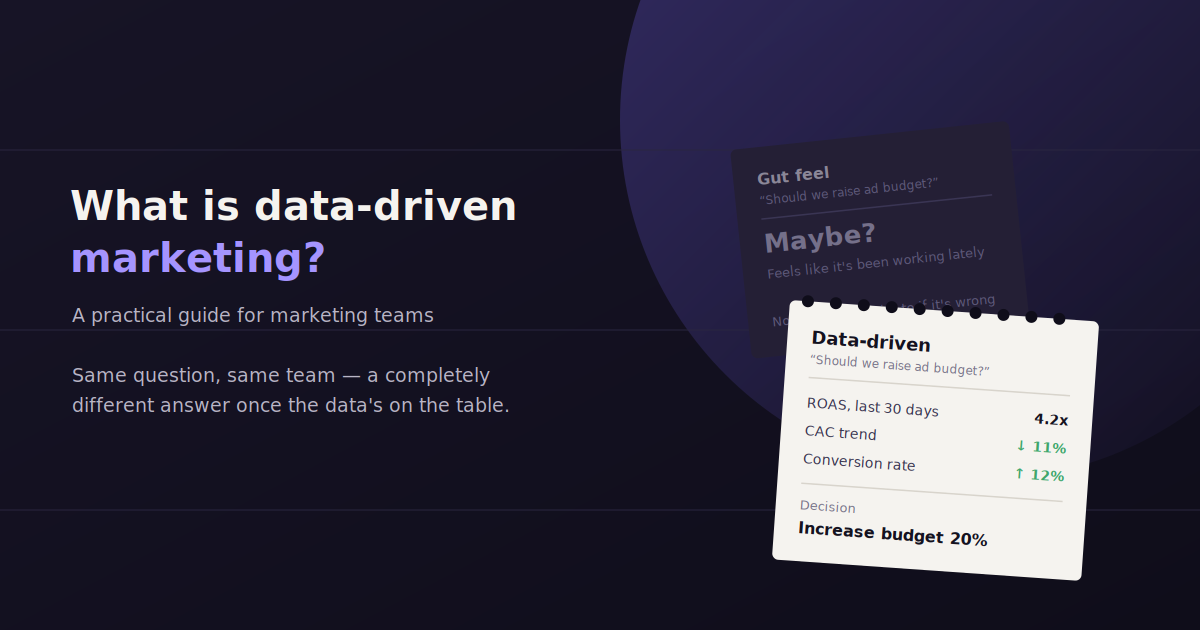
Data-driven marketing is the practice of shaping campaigns, budgets, and messaging around evidence pulled from customer and performance data, instead of relying on assumptions about what an audience wants. It sounds obvious stated that way, yet most teams still make real decisions off a gut feeling, a competitor’s move, or whatever channel got attention last…
-
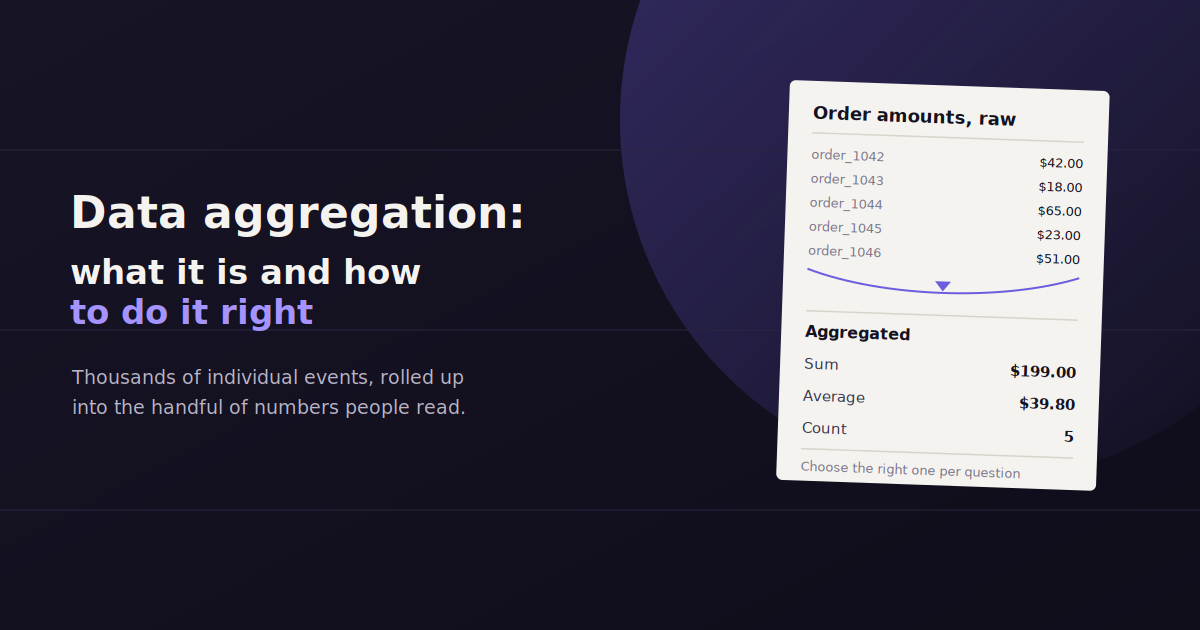
Data aggregation is the process of pulling data from multiple sources and combining it into a single, summarized view that’s actually usable for analysis or reporting. For marketing teams, that usually means merging numbers from Google Analytics, ad platforms, CRM records, and social channels into one report instead of flipping between six logged-in tabs every…
-
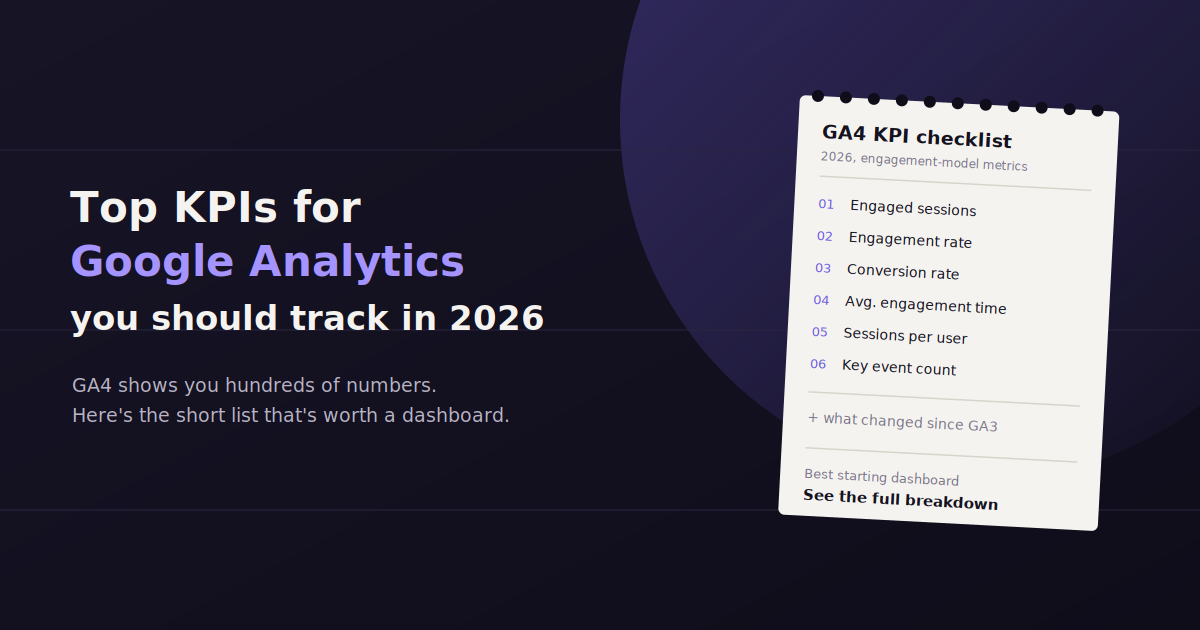
Google Analytics 4 exposes hundreds of dimensions and metrics, which is exactly the problem. Open a blank exploration report and it’s genuinely hard to know where to start looking. Most of those metrics don’t need to be on anyone’s radar day to day. A small set does the real work of telling you whether a…
-
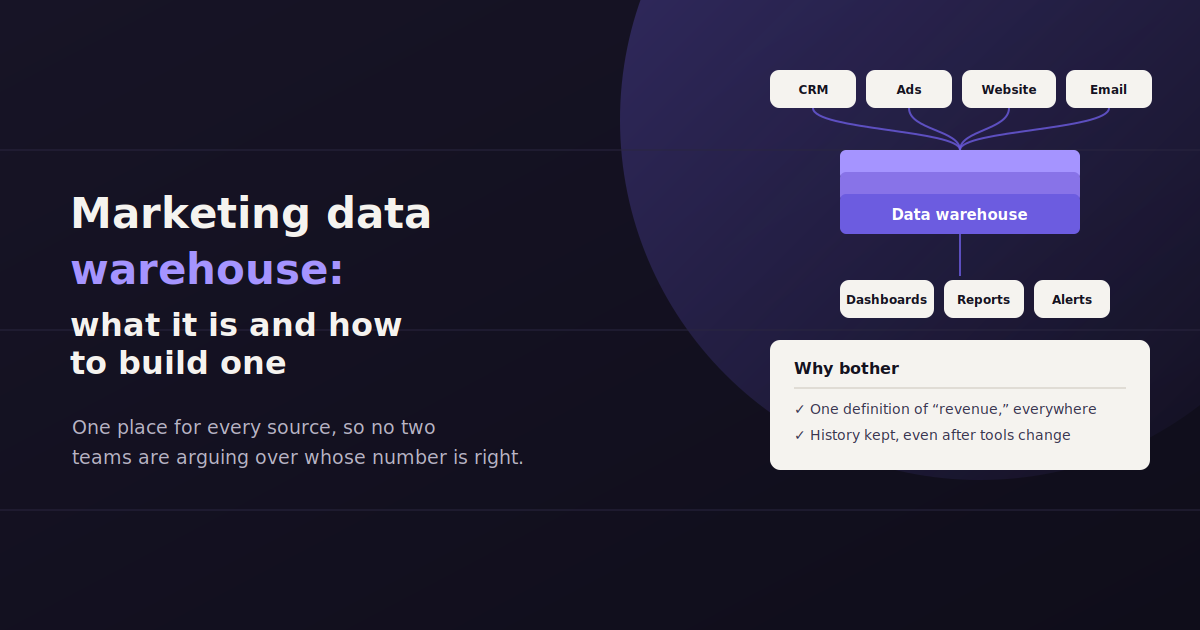
A marketing data warehouse is a centralized database that stores marketing data pulled from every channel a team runs — ad platforms, analytics tools, CRM, email, and more — in one place, structured so it can be queried and reported on consistently. Teams usually reach for one at a specific point of pain: too many…
-
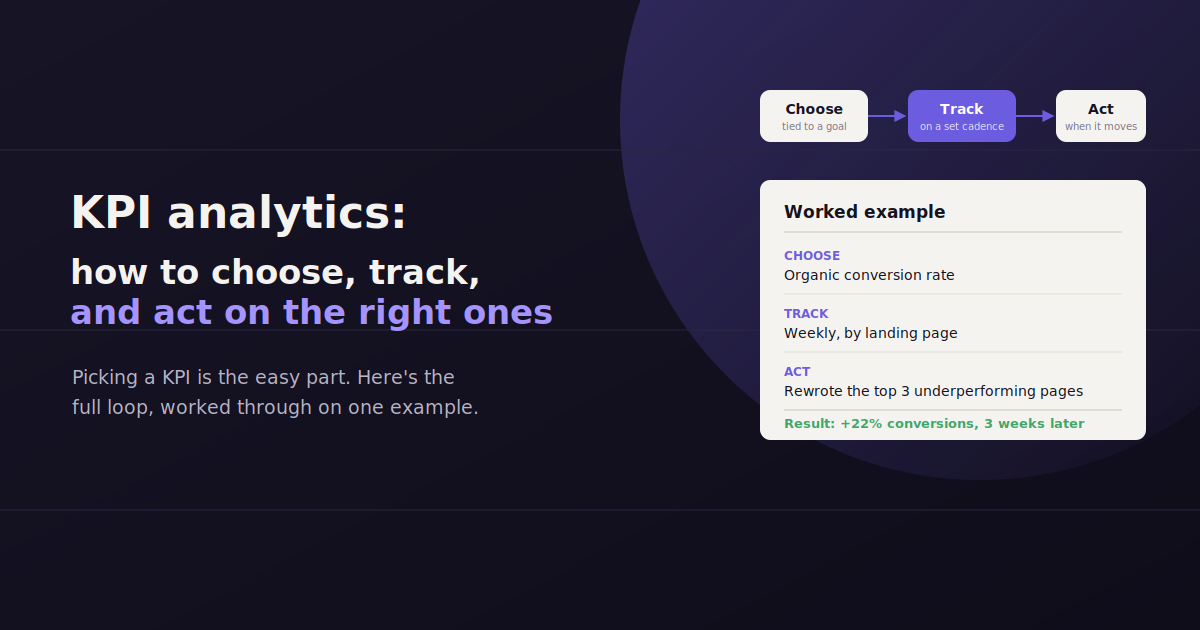
KPI analytics is the practice of tracking key performance indicators against a goal, then using that ongoing data to decide what’s working, what isn’t, and what to change next. The word “analytics” is doing real work in that definition. Picking a KPI is easy; building the habit of actually analyzing it — comparing it to…
-
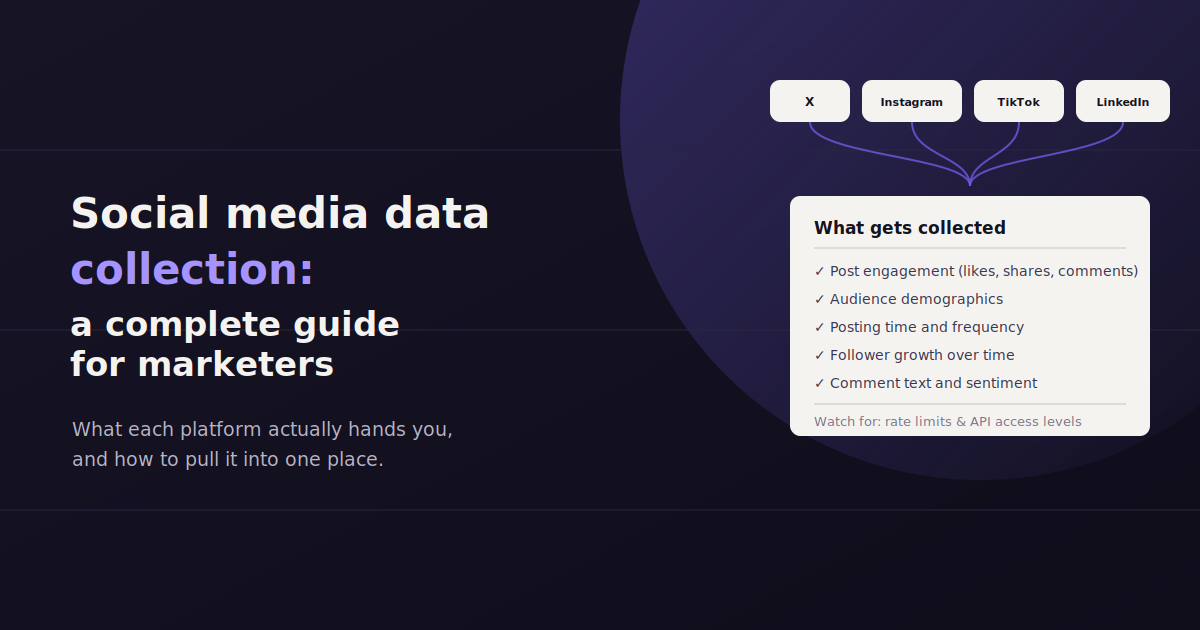
Every post, comment, and click on a social platform generates data — but collecting it in a form you can actually report on is a different problem than the platform’s native app dashboard solves. Social media data collection is the process of gathering, organizing, and centralizing performance and audience data from platforms like Instagram, Facebook,…
-
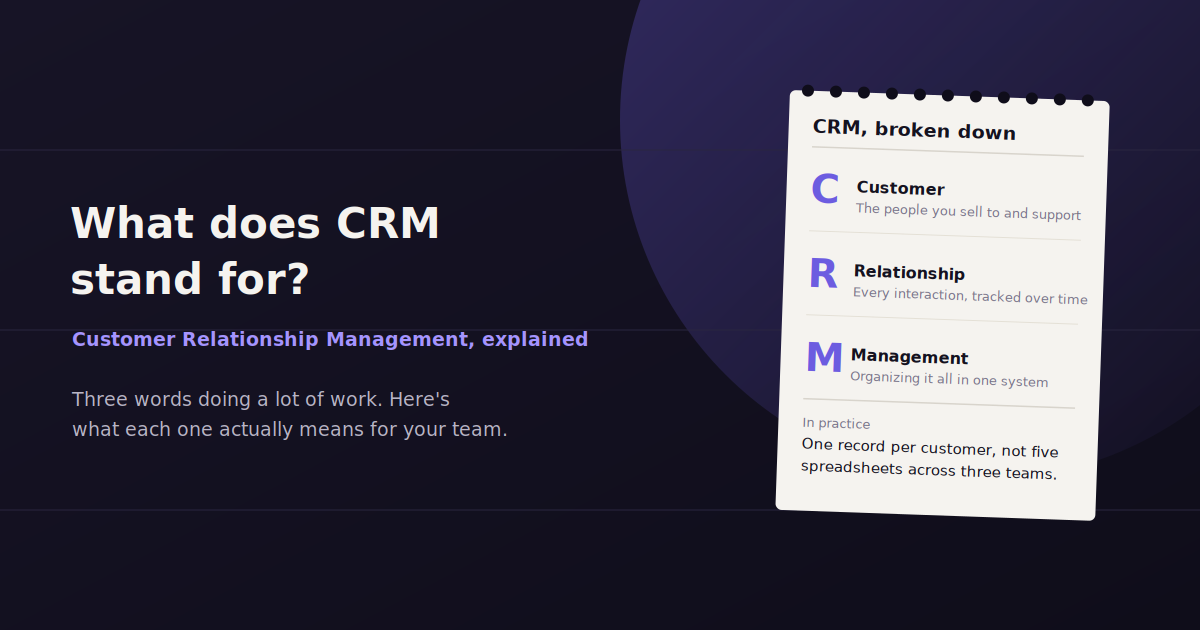
CRM stands for Customer Relationship Management. It’s a term that gets used two ways in business conversation — as a general approach to managing customer relationships, and as shorthand for the software businesses use to actually do that. If someone tells you “we need to get our CRM in order” or “check the CRM before…
-
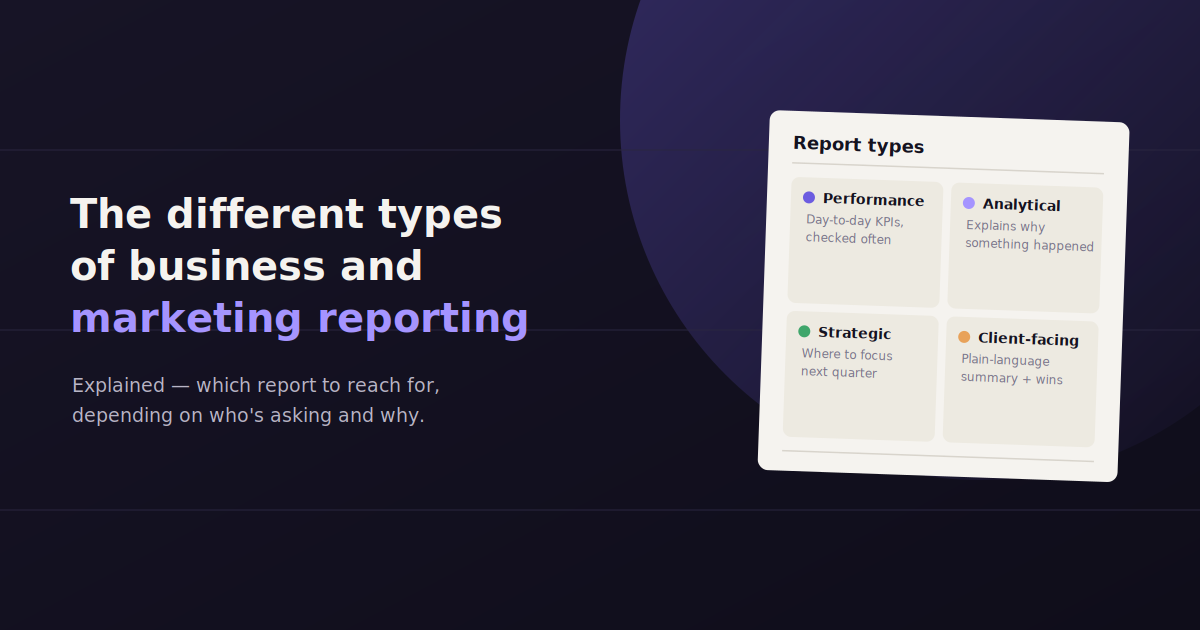
Ask five people at the same company what “the report” refers to and you’ll likely get five different answers. A sales director means a real-time pipeline dashboard. A CFO means a monthly financial statement. A marketing manager means a campaign wrap-up sent to a client. They’re all correct, and that’s the problem — reporting isn’t…
-
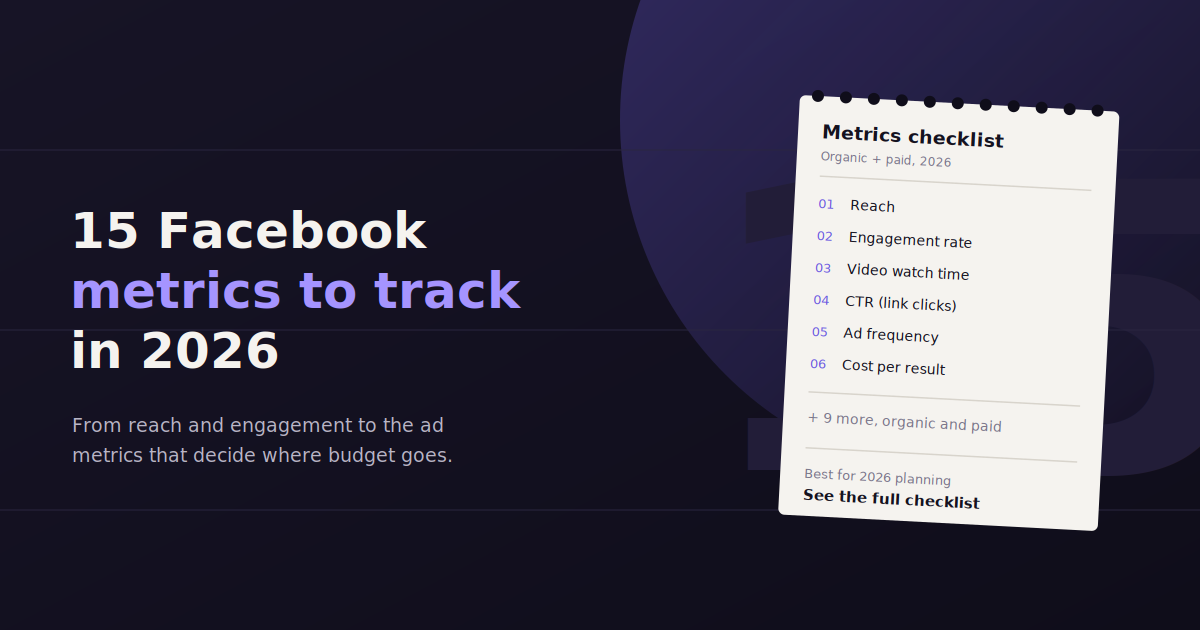
Facebook’s ads dashboard surfaces dozens of numbers, and most of them don’t matter for your specific goal. These 15 Facebook metrics cover the ones that actually explain performance — split into audience reach, cost efficiency, and conversion outcomes — so you can skip the noise. For each one, you’ll see what it measures, why it…
-
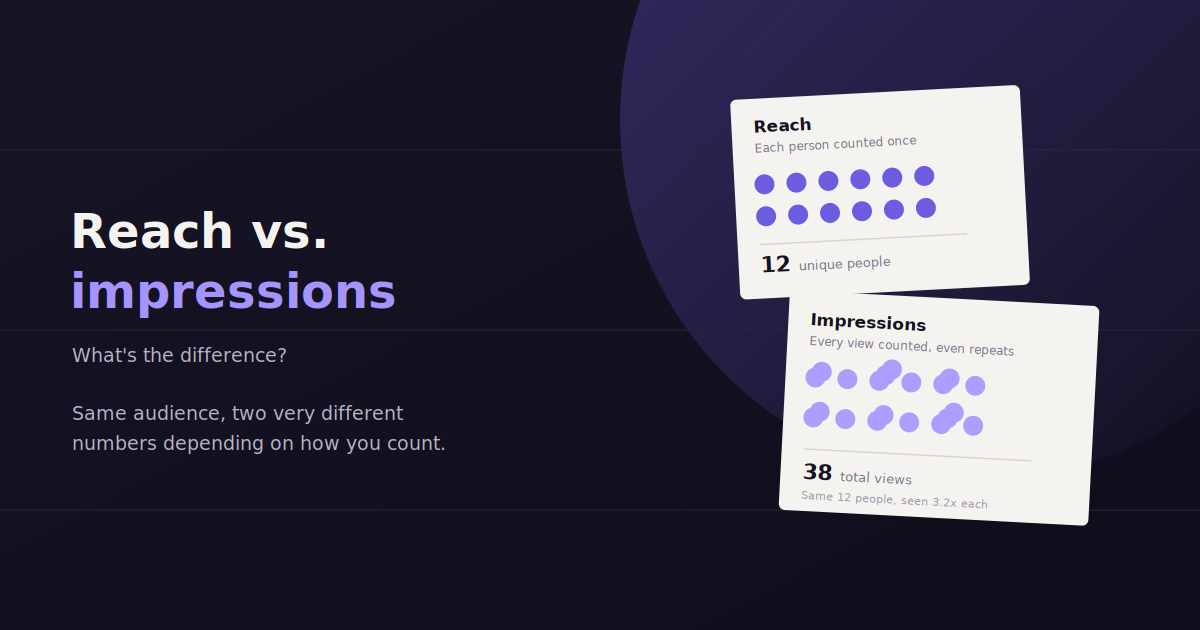
Reach and impressions get used interchangeably in casual conversation, but they measure genuinely different things — and mixing them up leads to bad budget decisions. Reach is how many unique people saw your content. Impressions is how many times it was displayed, including repeat views by the same person. One person scrolling past your ad…