Category: Blog
-
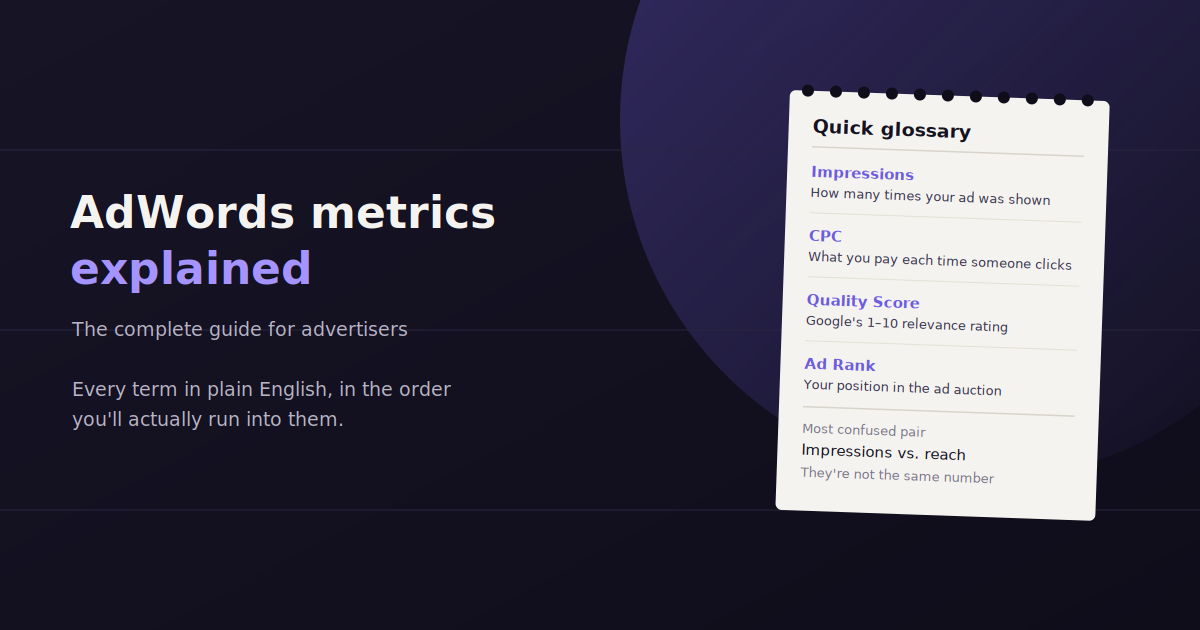
Google Ads’ reporting interface surfaces dozens of columns, and it’s easy to end up staring at a spreadsheet full of numbers without a clear sense of which ones actually matter. AdWords metrics (the term most advertisers still use, even though the platform is officially Google Ads) break down into a handful of categories: reach, engagement,…
-
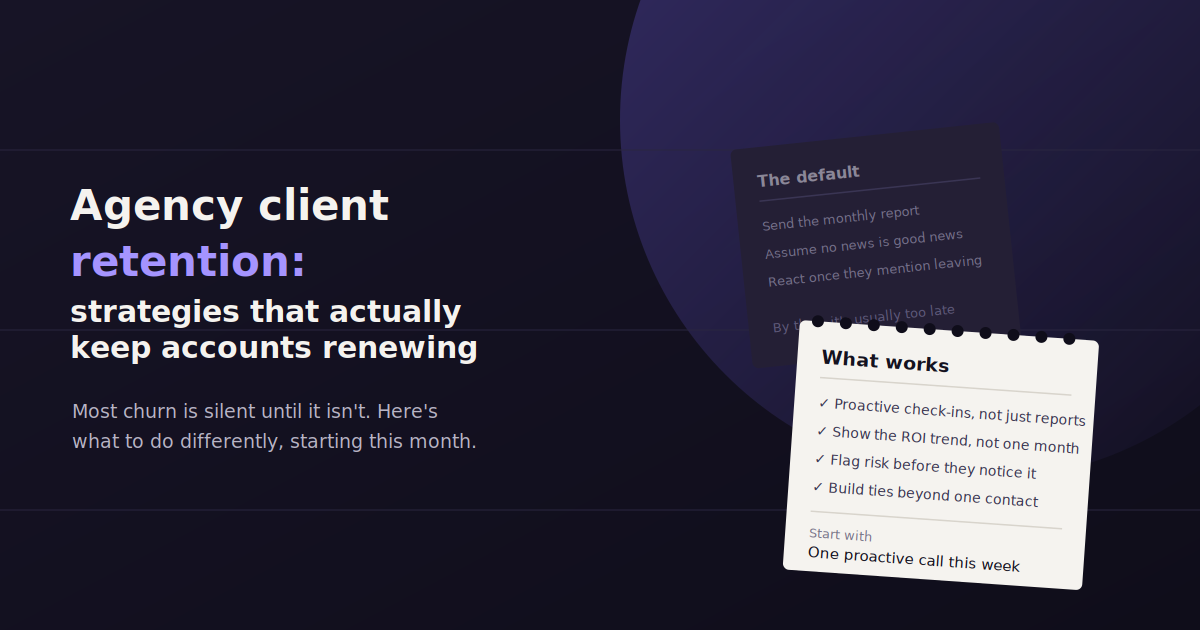
Winning a new client costs an agency far more than keeping one, yet most agency growth plans still lean almost entirely on new business. Agency client retention is the quieter growth lever — a five-point improvement in retention compounds into meaningfully higher lifetime revenue per account without adding a single new logo. Most churn doesn’t…
-
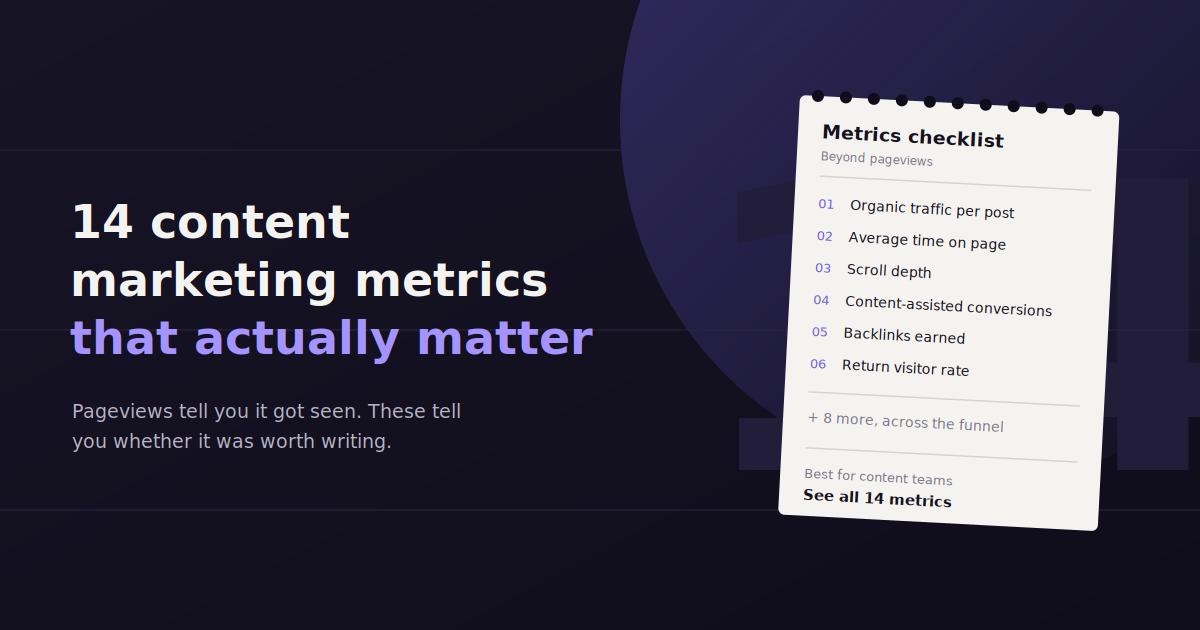
Pageviews feel like progress, but they rarely explain whether content marketing is working. A blog post can rack up thousands of views and generate zero pipeline, while a smaller, more targeted piece quietly drives most of a quarter’s leads. The metrics below are grouped into four categories — reach, engagement, SEO, and conversion — so…
-
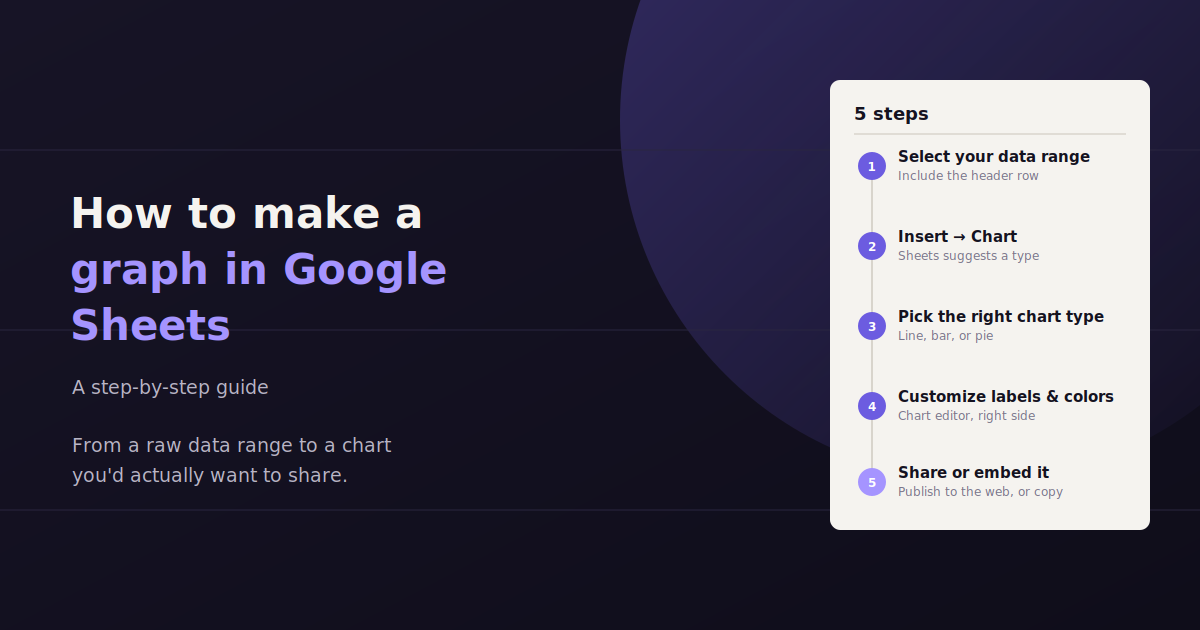
Google Sheets can turn a plain column of numbers into a chart in under a minute, but the difference between a chart that gets ignored and one that actually communicates something usually comes down to a few small decisions: which chart type fits the data, how it’s labeled, and whether it’s cleaned up enough to…
-

Ad hoc reporting is a one-off report built to answer a specific, unplanned question — as opposed to a scheduled report that runs on a fixed monthly or weekly cadence regardless of what’s actually being asked. Most marketing teams have a scheduled reporting process, but almost none have a fast, repeatable way to answer the…
-
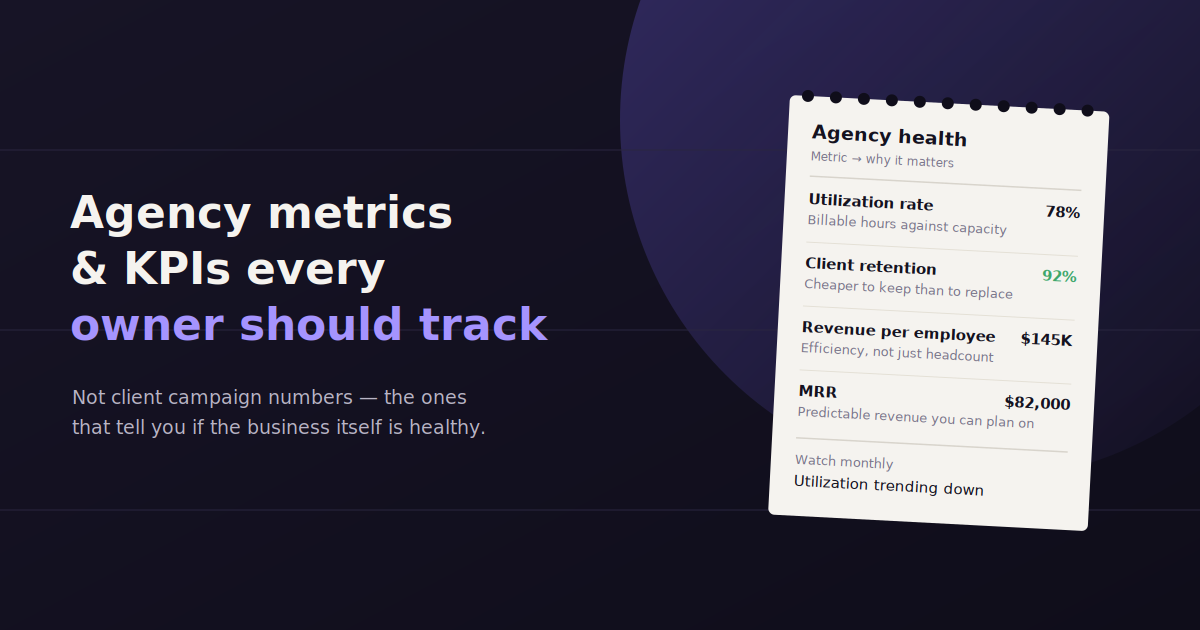
Client campaign performance isn’t the only thing an agency needs to measure — the agency’s own business health is a separate, equally important set of numbers. Agency metrics and KPIs cover profitability, utilization, and retention — the internal numbers that determine whether the business itself is healthy, regardless of how any single client campaign performs.…
-
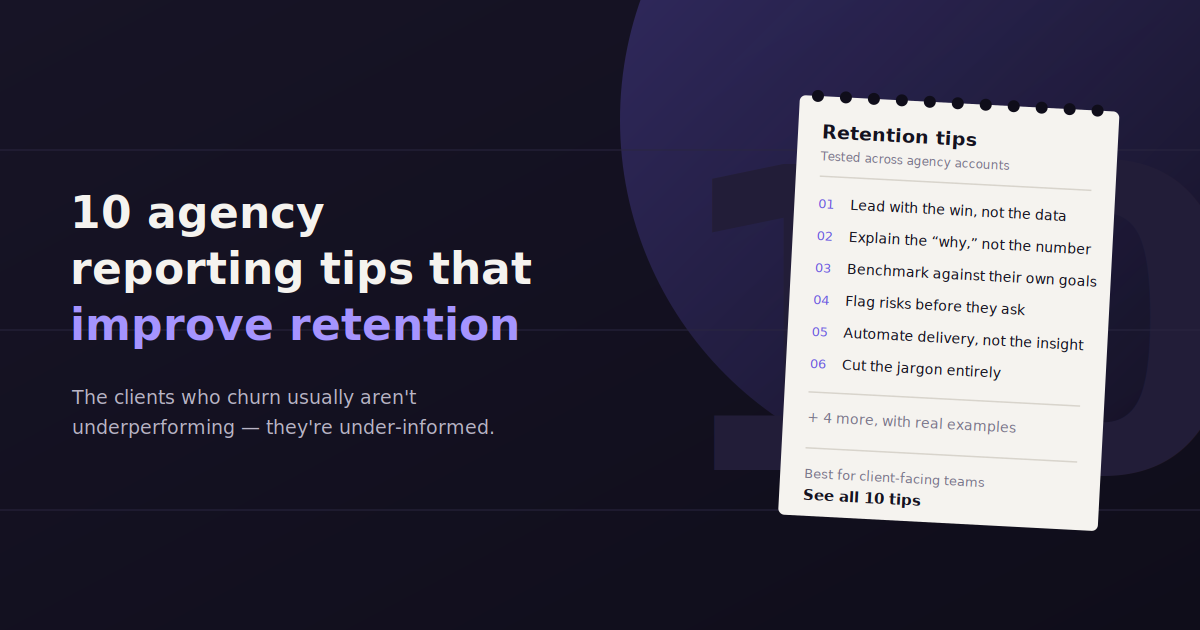
Most agency reporting advice is generic — “be clear,” “show value.” Here’s what actually moves the needle, drawn from what separates agencies with low churn from ones that lose clients quietly. Agency reporting is the one deliverable nearly every client sees every month, which makes it a disproportionately large lever on retention relative to how…
-
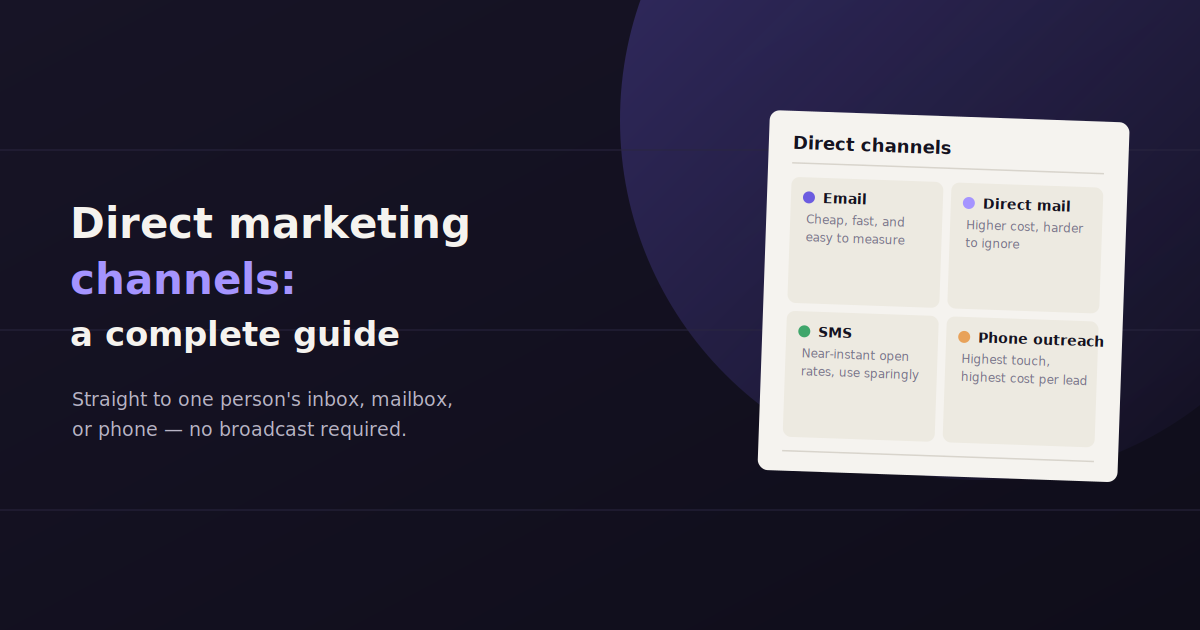
A direct marketing channel is any way a business reaches an individual customer directly, with a message and offer meant for them specifically, rather than broadcasting to a general audience through mass media. Email, direct mail, SMS, and telemarketing are the classic examples, and despite decades of new channels arriving, all four are still in…
-
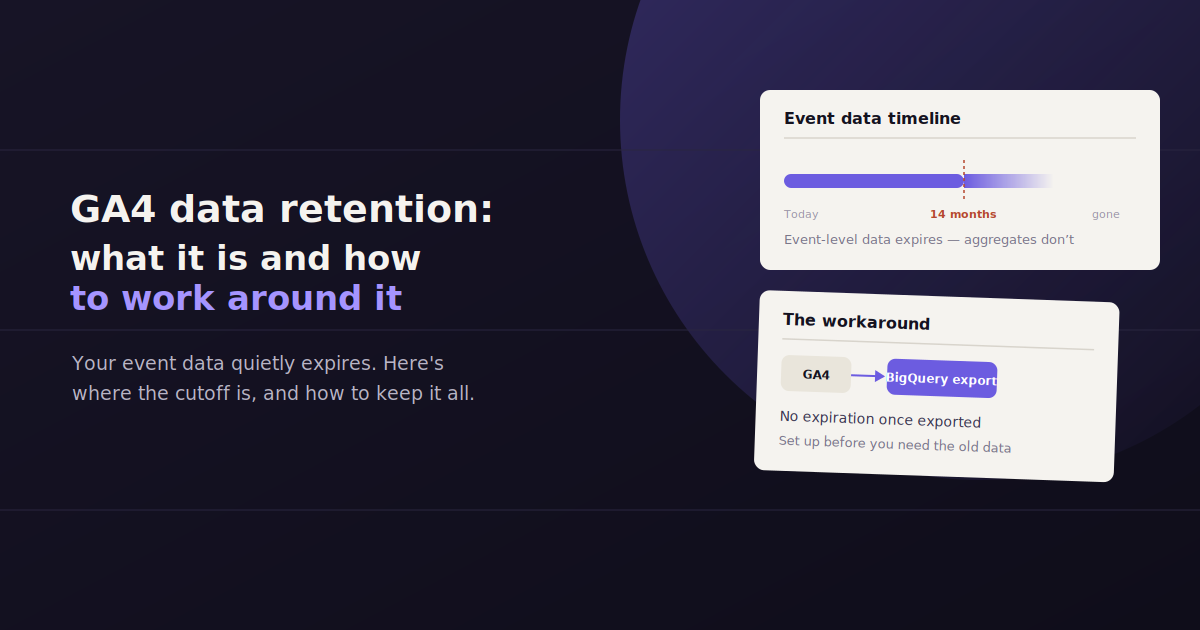
Open a GA4 exploration report looking for last year’s holiday traffic and you might find nothing there at all. That’s not a bug — it’s GA4’s data retention setting, and it catches a lot of marketers off guard. Unlike Universal Analytics, which could hold event-level data indefinitely, GA4 defaults to trimming it after a set…
-

Data ingestion is the process of moving data from its original source — an ad platform, a CRM, a web analytics tool, a spreadsheet — into a system where it can be stored, processed, and eventually analyzed. It’s the first step in almost every data pipeline, and it’s also where the most silent failures happen:…