Category: Blog
-
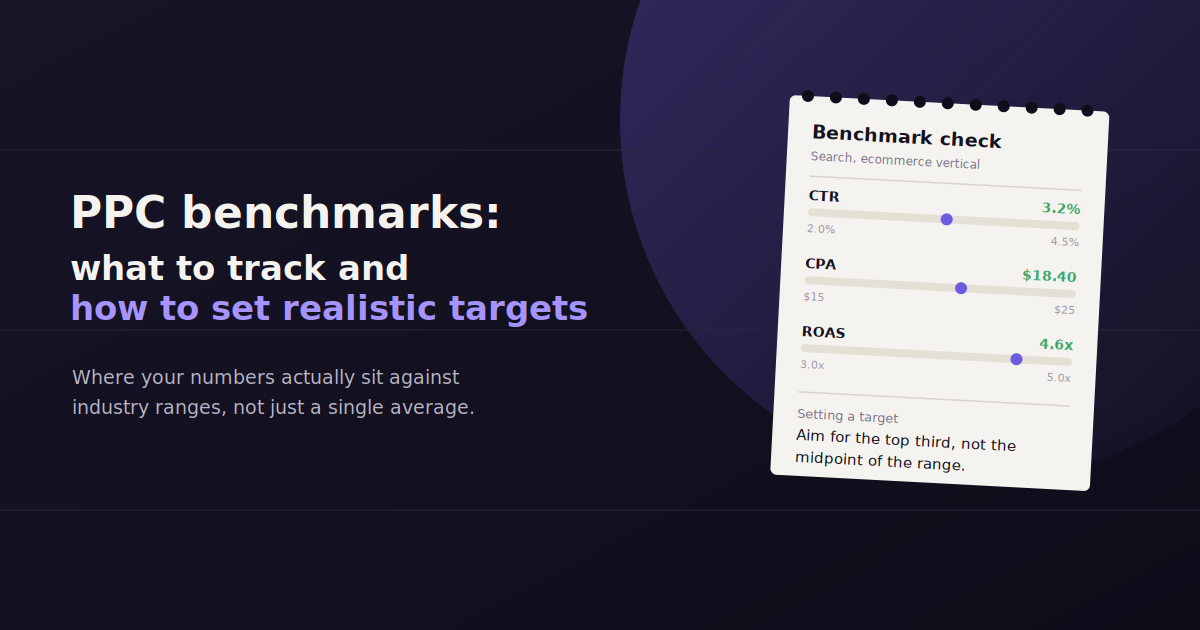
A PPC benchmark is a reference point — usually an industry average — that tells you whether your CTR, CPC, CPA, or ROAS is landing in a normal range for accounts like yours. Benchmarks are useful for a gut-check, but they’re a starting point, not a scorecard. Two accounts in the same industry can have…
-
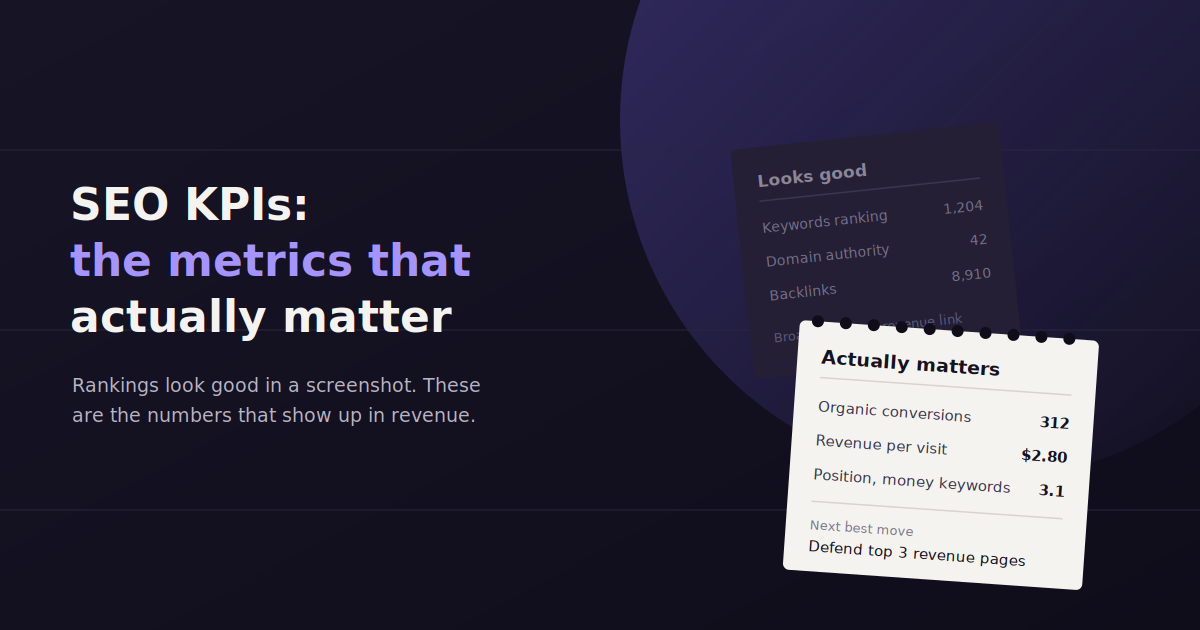
Rankings moving up is a nice thing to see in a report. It’s also, on its own, not proof that SEO is working. SEO KPIs worth tracking go beyond position tracking into traffic quality, click behavior, technical health, and — most importantly — whether any of it converts into something a business cares about. This…
-
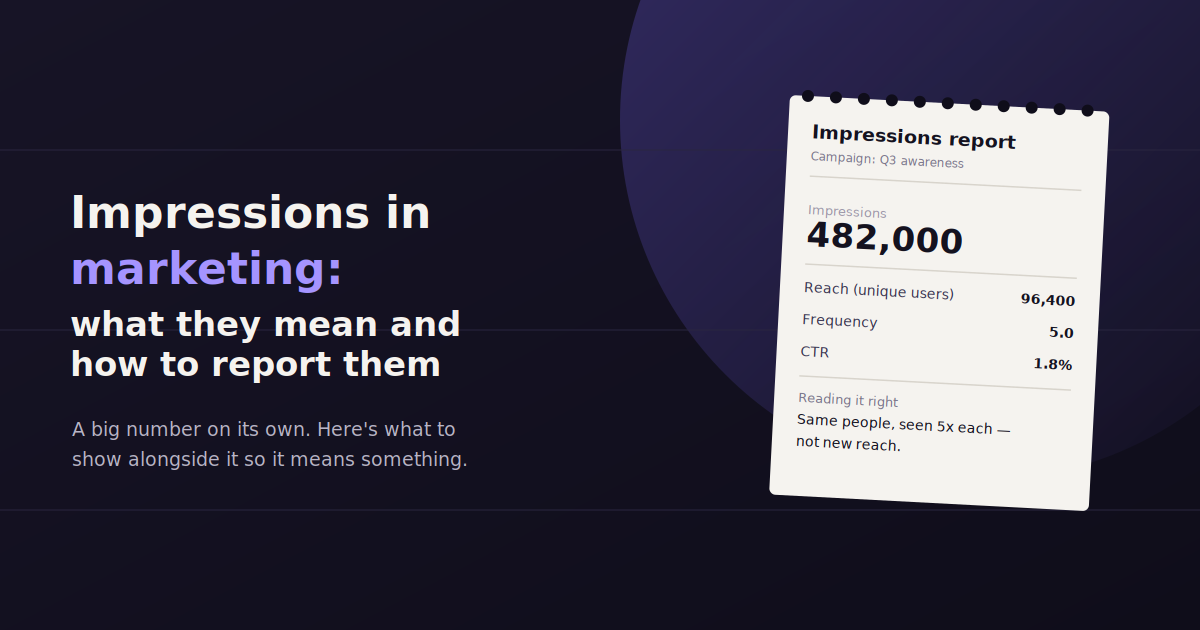
An impression is counted every time an ad or piece of content loads on a screen where someone could see it. It doesn’t mean a person read it, clicked it, or even noticed it — it means the content was served. That distinction trips up a lot of client conversations. A campaign with 500,000 impressions…
-
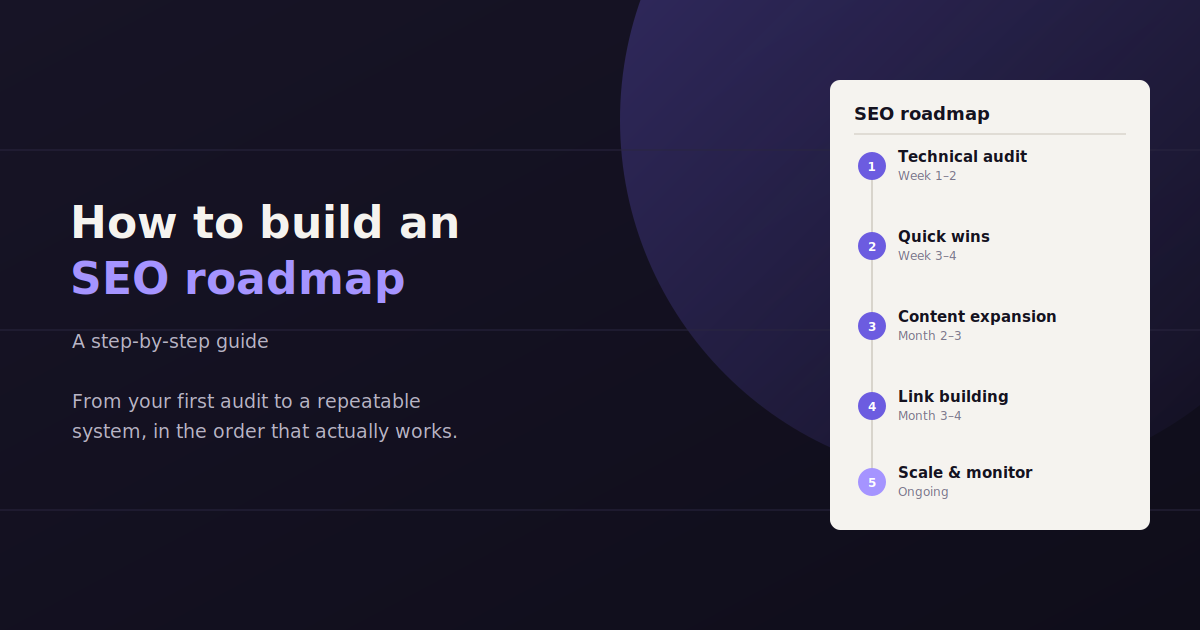
SEO fails most often not from bad tactics but from no sequence — teams chase whatever ranking issue surfaced last week instead of working through a prioritized plan. An SEO roadmap fixes that by turning a pile of audit findings and keyword opportunities into a dated, owned, trackable plan that survives beyond one person’s memory.…
-
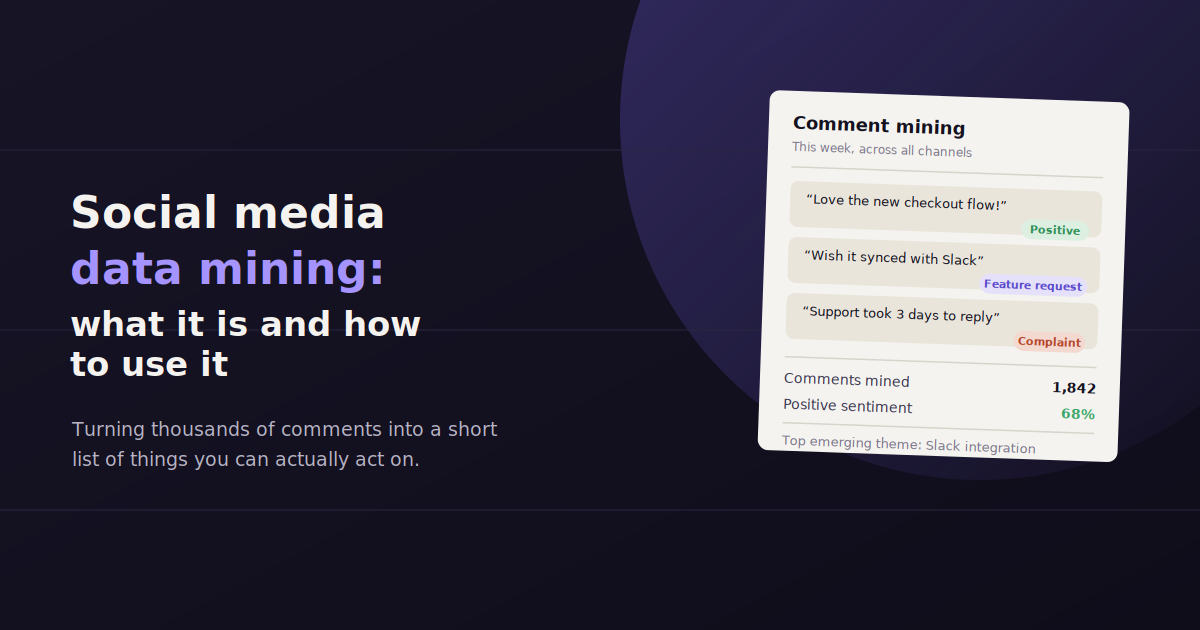
Every like, comment, and share on social media is a data point — the question is whether your team is actually using that data or just watching it scroll by. Social media data mining is the process of extracting patterns and insights from that raw activity to inform real marketing decisions, not just vanity reporting.…
-
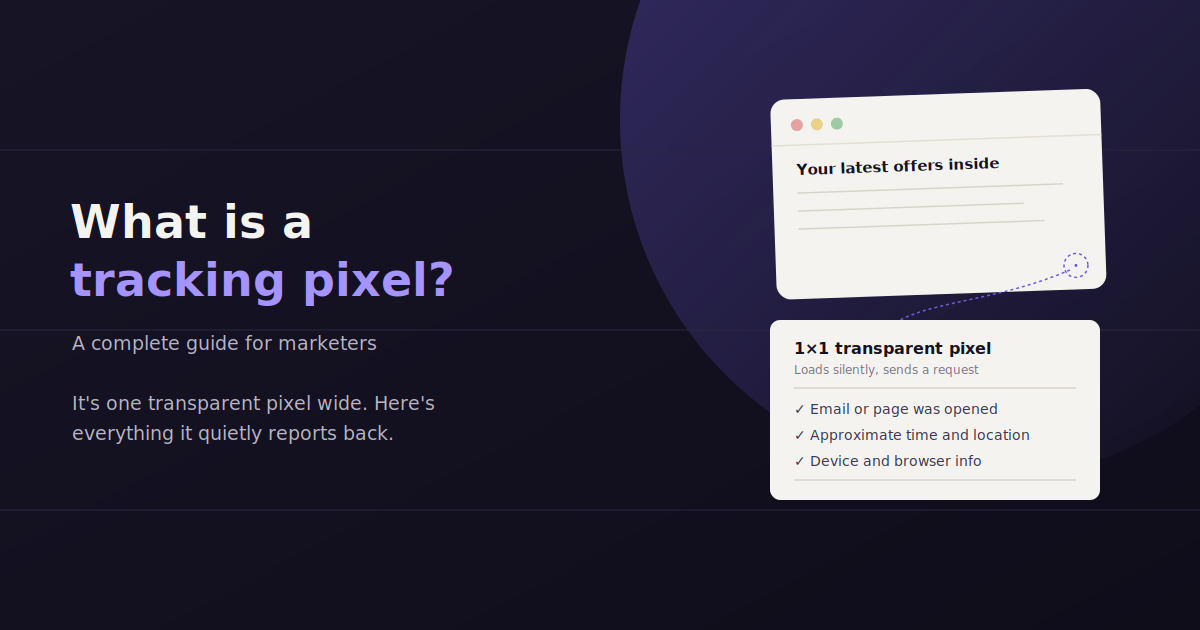
A tracking pixel is a tiny snippet of code that sits on your website or in your emails and quietly reports back when someone views a page, opens a message, or completes a purchase. It’s one of the oldest tools in digital marketing, and despite years of privacy changes, it’s still the backbone of conversion…
-
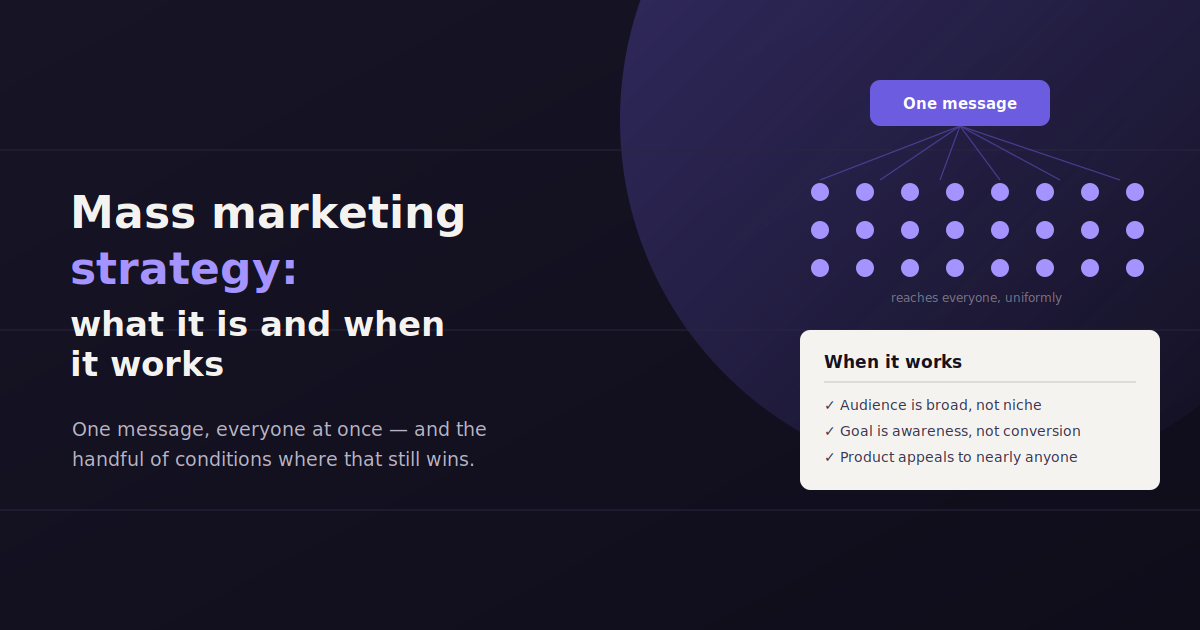
A mass marketing strategy aims a single message at the widest possible audience, on the assumption that broad reach beats narrow precision. Think network TV commercials, billboard campaigns, and national radio spots. It’s an old approach — older than digital advertising by decades — but it hasn’t disappeared. Some of the largest brands in the…
-
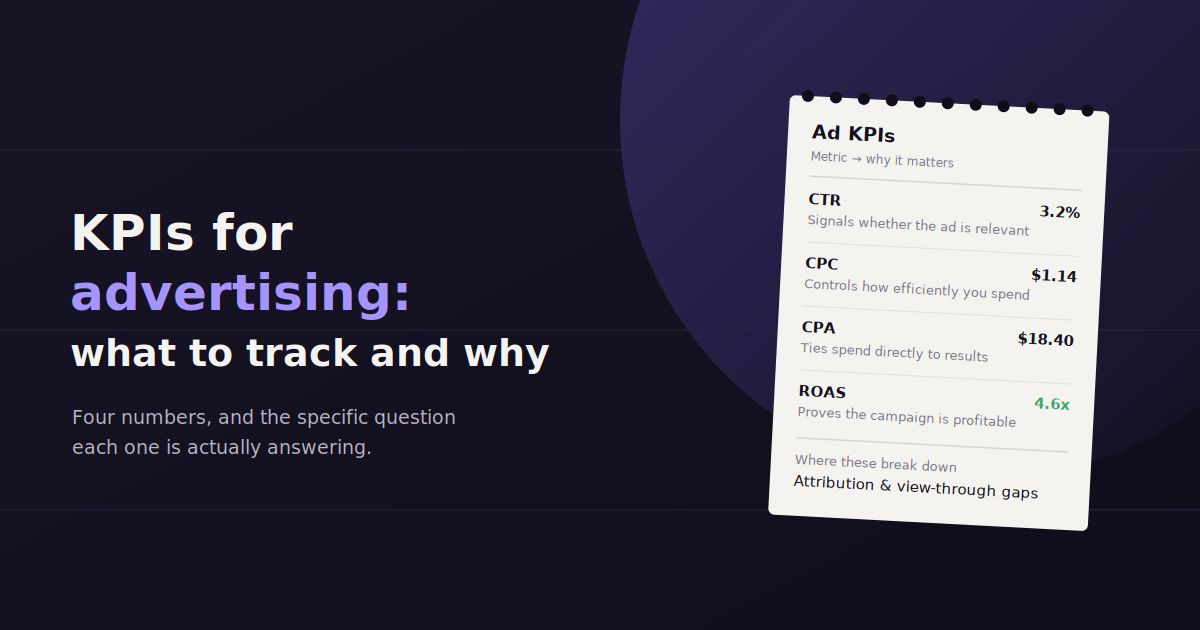
Open any paid media dashboard and you’ll find dozens of numbers competing for attention — impressions, clicks, CTR, CPC, CPM, ROAS, conversion rate, and a dozen more, all updating in real time. Most of them don’t matter for the decision you’re actually trying to make. A KPI for advertising is only useful if it changes…
-
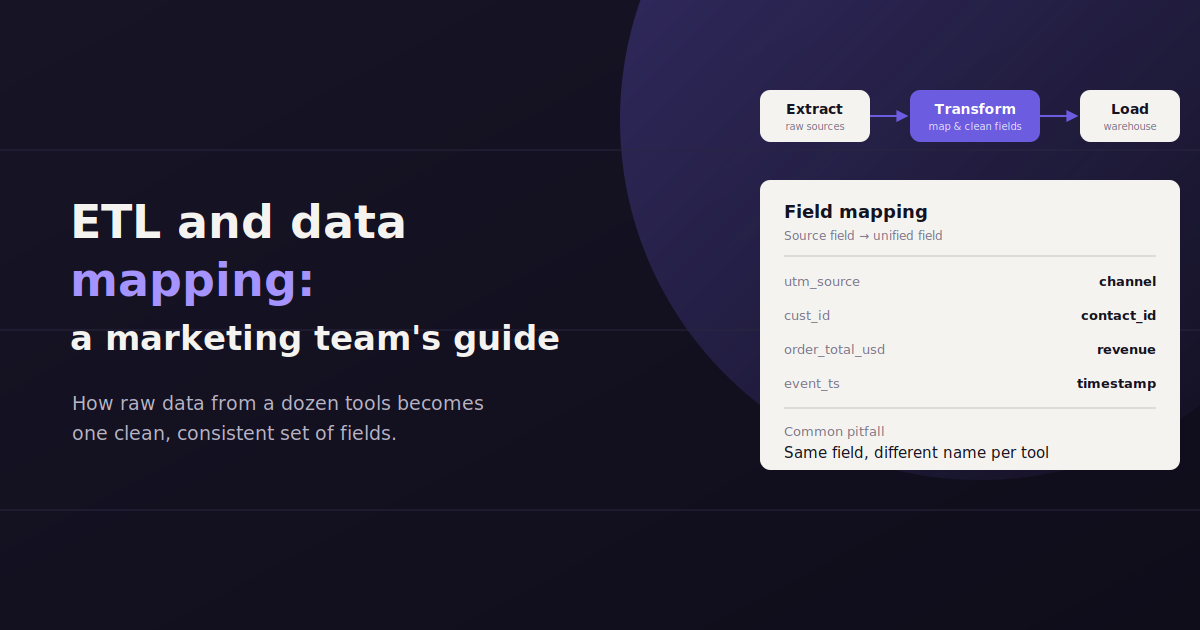
ETL stands for extract, transform, load — the process of pulling data out of a source system, reshaping it into a consistent format, and loading it into a destination where it can be reported on. Data mapping is the specific piece of that process where the real work happens: deciding how a field in the…
-
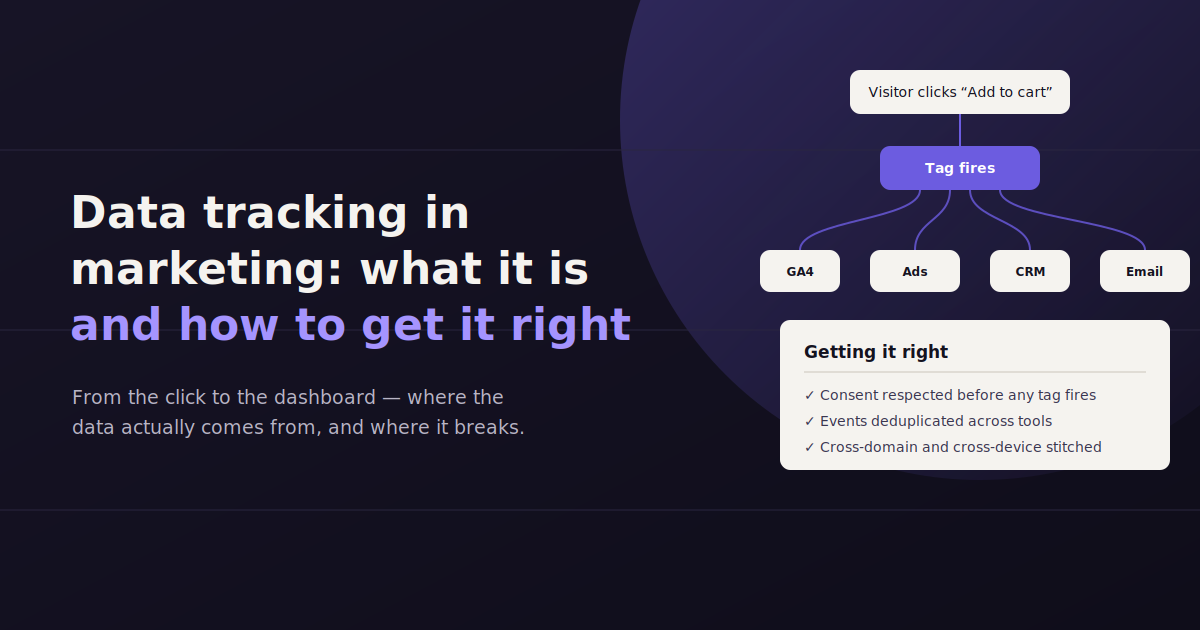
Data tracking is the practice of capturing what happens when someone interacts with your marketing — a click, a page view, a form fill, a purchase — and attaching enough context to that event to know where it came from and what it led to. It sounds simple until you try to answer a basic…